
Sloyd: Handicraft and Education from Scandinavian Tradition
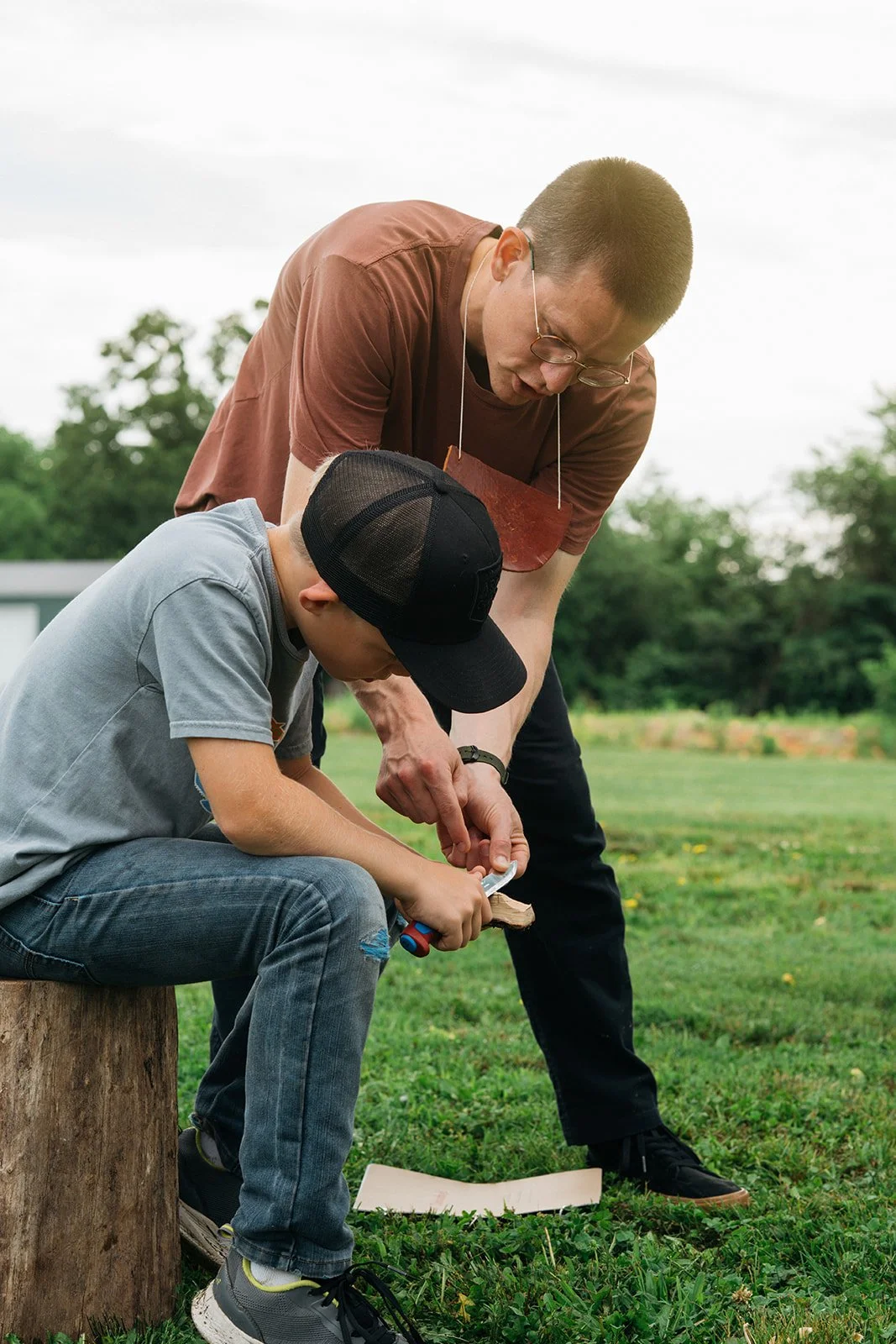
Have you ever heard of “sloyd” (or slöjd)?
At Arkansloyd, we think it’s important for a child’s education, so I put together this overview with a definition and some historical and cultural context!
So, what is sloyd?
Simply put, sloyd (or slöjd) is Swedish for handicraft, craft, or craftwork.
But sloyd is much richer than that, and its meaning has changed over the past 150+ years.
I’d like to try to group sloyd into three categories to bring some clarity:
Traditional Slöjd
Educational Sloyd
Modern Sloyd
Please note that I’m putting these categories on sloyd to help us organize the way the word has been used since the mid-1800s. I hope this to be helpful and educational, and I am open to changes on my use of terms and categories! I am from the U.S. (not Sweden) and have a love for sloyd/handicraft that’s grown over the past several years. But I’m no expert, and always learning.
Alright, let’s get started!
Traditional Slöjd
Since slöjd is a Swedish word from The Nordic Countries, we’ll begin with the traditional folk crafts from those regions (and I’ll use the “ö” and “j” for slöjd in this section).
People (including children) would spend their time in the winter months woodcarving, weaving or textile making, painting, metalworking, and more. Some of this could be considered hemslöjd (or home craft). Children understood how to use a knife as a tool and became self-reliant by learning to make things they needed (hammer handles, cooking utensils, clothing, and more).
I also want to mention, like most traditional folk crafts, this work was done using materials from the nature around them (e.g. trees, oils, flax, wool).
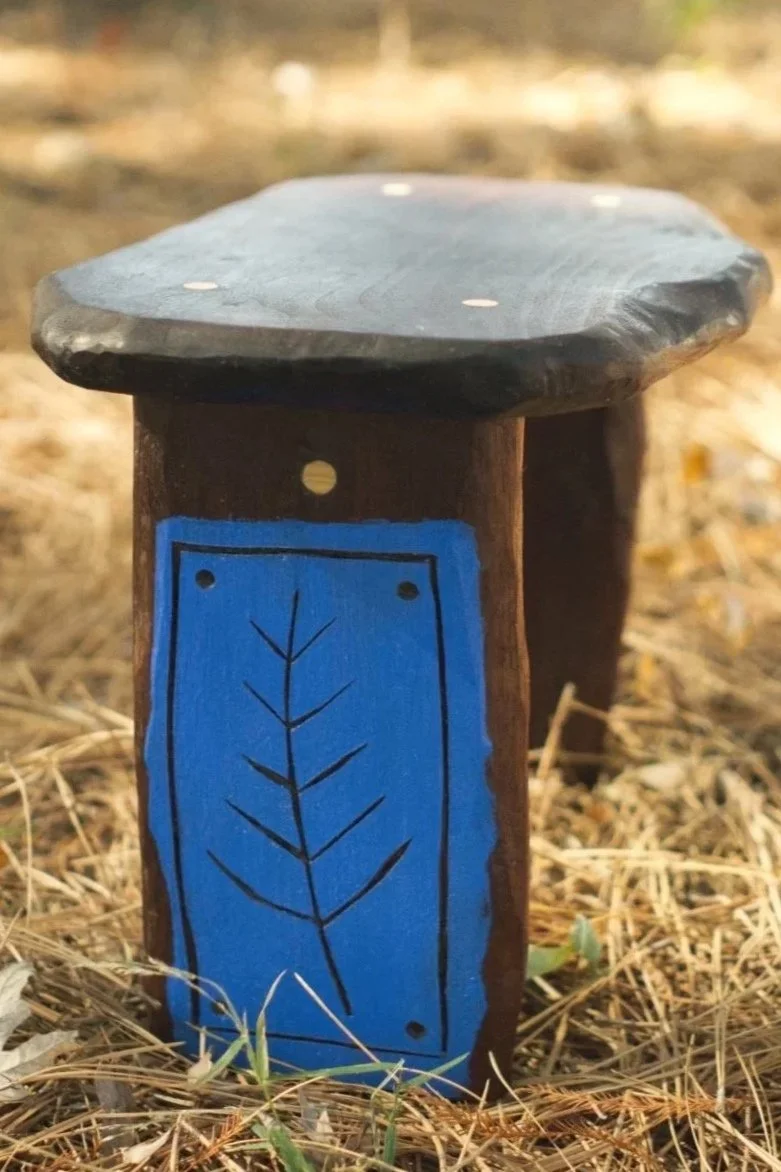
See some examples of traditional slöjd in the pictures below, and notice the brightly colored paint and details in the designs.

These are only a few of so many different and beautiful examples of traditional handicraft (slöjd).
Next up: Educational Sloyd.
Educational Sloyd
There are many names in early educational sloyd, but one you’ll see often is Otto Salomon.
The Teacher’s Hand-book of Slöjd & Sloyd in Wood
Otto Salomon’s book The Teacher’s Hand-book of Slöjd (1891) is what guided much of educational sloyd in the late 1800s and early 1900s, as well as his teacher-training school in Sweden. Salomon brought a system to life in Sweden that spread throughout the world (see sloyd in the U.S. in “Sloyd & Training The Whole Person” from North Bennet St. School).
The Teacher’s Hand-book of Slöjd gave teachers guidance on wood, tools, and exercises for students. But more importantly, Salomon began with an overview of the aims of Educational Sloyd and the approach he believed would best achieve those aims. The hand-book says educational sloyd seeks to develop the pupil in these ways:
…pleasure in bodily labour, and respect for it, habits of independence, order, accuracy, attention and industry, increase of physical strength, development of the power of observation in the eye, and of execution in the hand. Educational slöjd has also in view the development of mental power, or, in other words, is disciplinary in its aim.
The focus was on the development of the student, not the development of craft skills for economic value. The projects created in the classroom are mostly “useful” objects, not merely decorative.
Salomon chose woodworking as his primary method for teaching sloyd but mentions many other crafts that could be used for teaching in this method.
Over time, sloyd classrooms in the United States went different directions. As industrialization grew simultaneously, many of the handicrafts in schools transitioned to things like “shop class” and “home economics” or just training for career and technical skills. Development of the student and their character became incidental rather than the primary aim of producing a project.
A Note on Paper Sloyd and Charlotte Mason
Like sloyd in wood, paper sloyd uses exercises in folding and cutting paper to create useful models in a progression from simple models to more complex.
Paper Sloyd is often a subject in Charlotte Mason education. I don’t have much experience with Mason or her educational philosophy, but it seems she held sloyd as a valuable handicraft. (Here’s a link to an article from a Charlotte Mason perspective on sloyd.)
Sloyd in Schools (today)
Sloyd is still a mandatory subject in public schools in parts of Scandinavia today. In the United States, there are a few programs that currently teach Educational Sloyd in schools. The Slöyd Experience is leading the way in developing programs in Colorado as well as partnerships to help other schools establish sloyd programs (including Thaden School in Bentonville starting fall of 2026).
Modern Sloyd
What I’m calling “Modern Sloyd” is not the same sloyd outlined by Salomon. Though there is still a positive formation of the worker (as in Educational Sloyd), it is not the goal of sloyd/handicraft in general. This formation is an educational aim for the classroom.
But sloyd began outside the classroom, rooted in a folk tradition of crafting things by hand. A part of traditional sloyd, and folk handicraft around the world, was to make something for the homestead, or a gift, or to sell. Decoration and selling a product are not the goals of educational sloyd.
Modern Sloyd is my category for what is happening in sloyd today.
Modern Sloyd is handicraft happening today that is inspired by the traditional folk crafts of Scandinavia — Sweden in particular. Makers primarily use traditional tools like the axe, froe, sloyd knife, hook knife, draw knife, saws, planes, chisels/gouges, and brace or hand drill, but some may incorporate other modern hand tools and possibly power tools for certain operations.
As in the other categories of sloyd, you will see woodworking with hand tools, paper cutting and folding, weaving and textile sloyd, metal working, and more. I’ll give some examples of Modern Sloyd below.
Examples of “Modern Sloyd”
Wille and Jögge Sundqvist
Two iconic people in Swedish woodcarving are Wille Sundqvist and his son Jögge Sundqvist.
Wille authored the classic book, Swedish Woodcarving Techniques (1990) and taught many people sloyd woodcarving in Sweden and around the world. He passed away in 2018 and left quite a legacy. I highly recommend getting a copy of his book and learning the techniques if you’re interested in sloyd woodcarving. We practice many of these knife techniques in the Arkansloyd classes. (You can also see Jögge teaching knife grips in the “Morakniv Swedish Knife Grip Sessions” on YouTube here: https://youtube.com/playlist?list=PLoaPpRkFfg5WkjHrJZ02ooSH16nV2-TBU&si=YWhtZuBc8dOkEUvY)
In the Swedish Woodcarving Techniques book, you will see a young Jögge Sundqvist pictured, both as a four-year-old and as a young adult demonstrating some of the carving techniques.
Jögge’s work in sloyd is life-giving, bringing traditional Swedish woodworking, handicraft, and painting to the 21st century with a fantastic, playful, whimsical spirit. He has written beautiful books and made videos teaching sloyd woodworking, greenwoodworking and chip carving. Read Jögge’s inspiring story and see pictures of his work in these blogs from Lost Art Press (link to Part 1, and link to Part 2).
I (Durgan) have loved watching Jögge’s carving and reading his articles featured in Mortise & Tenon Magazine. His work has been a source of inspiration as I began woodcarving about five years ago. Here are a few pictures of my woodworking to give you an example:
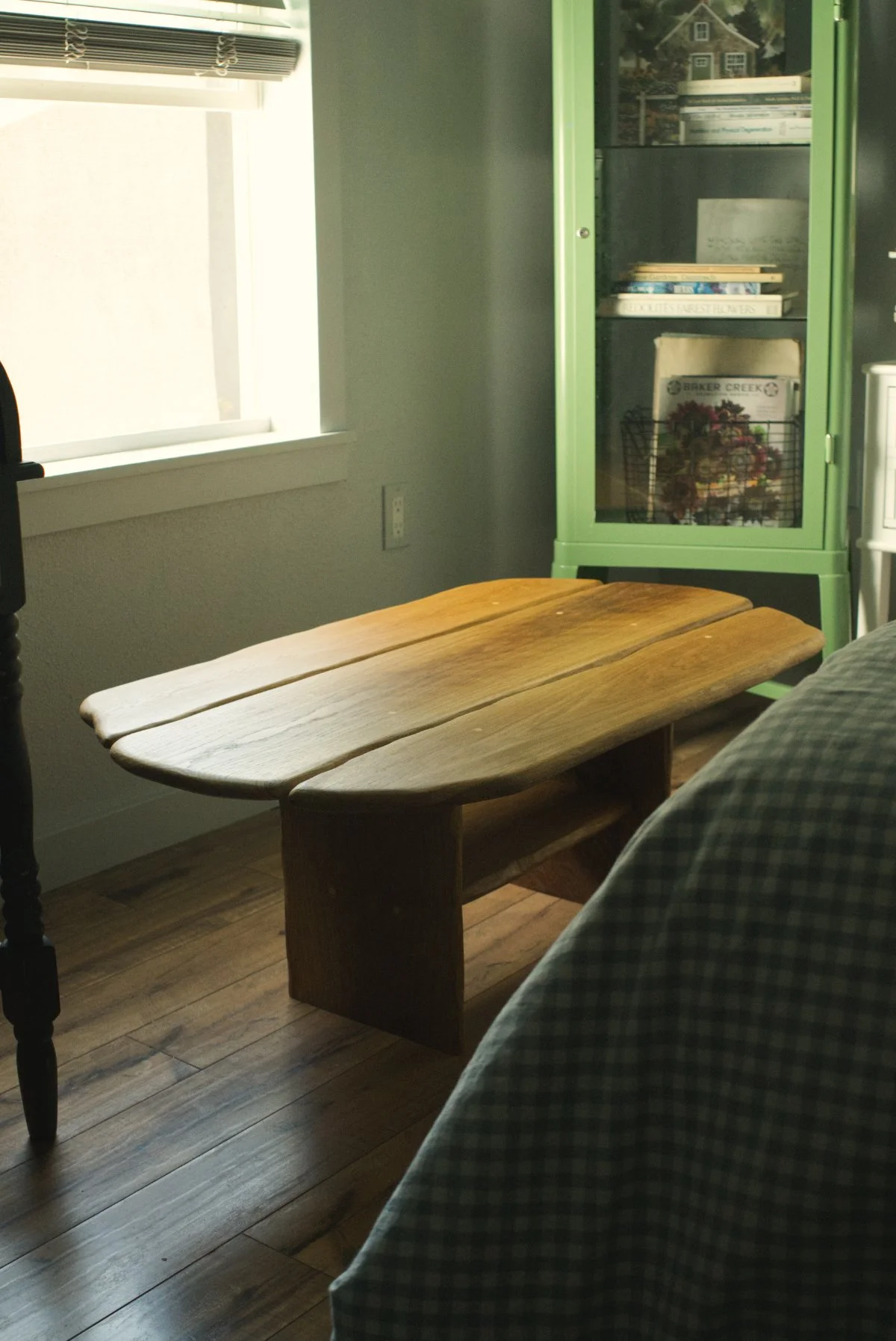
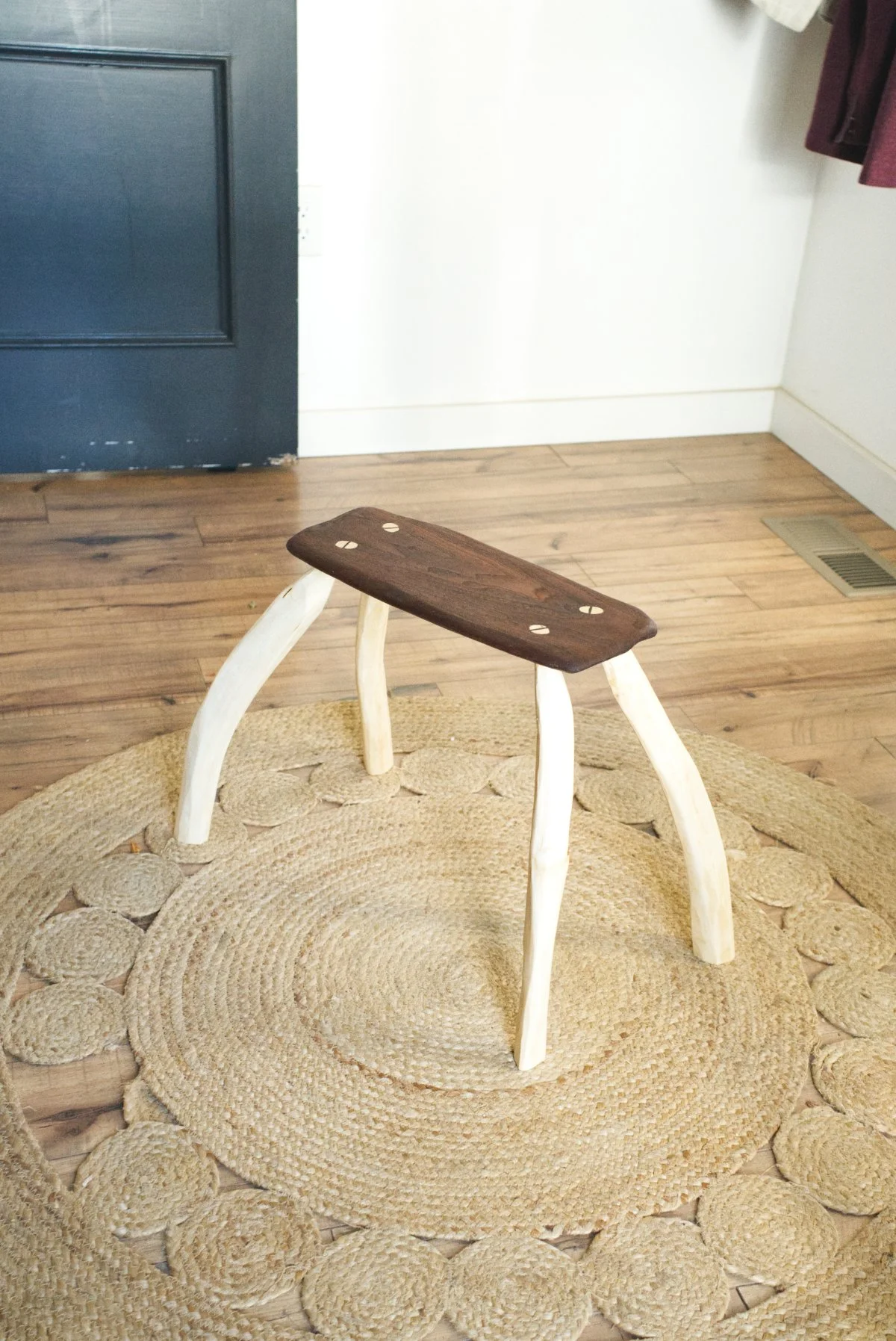
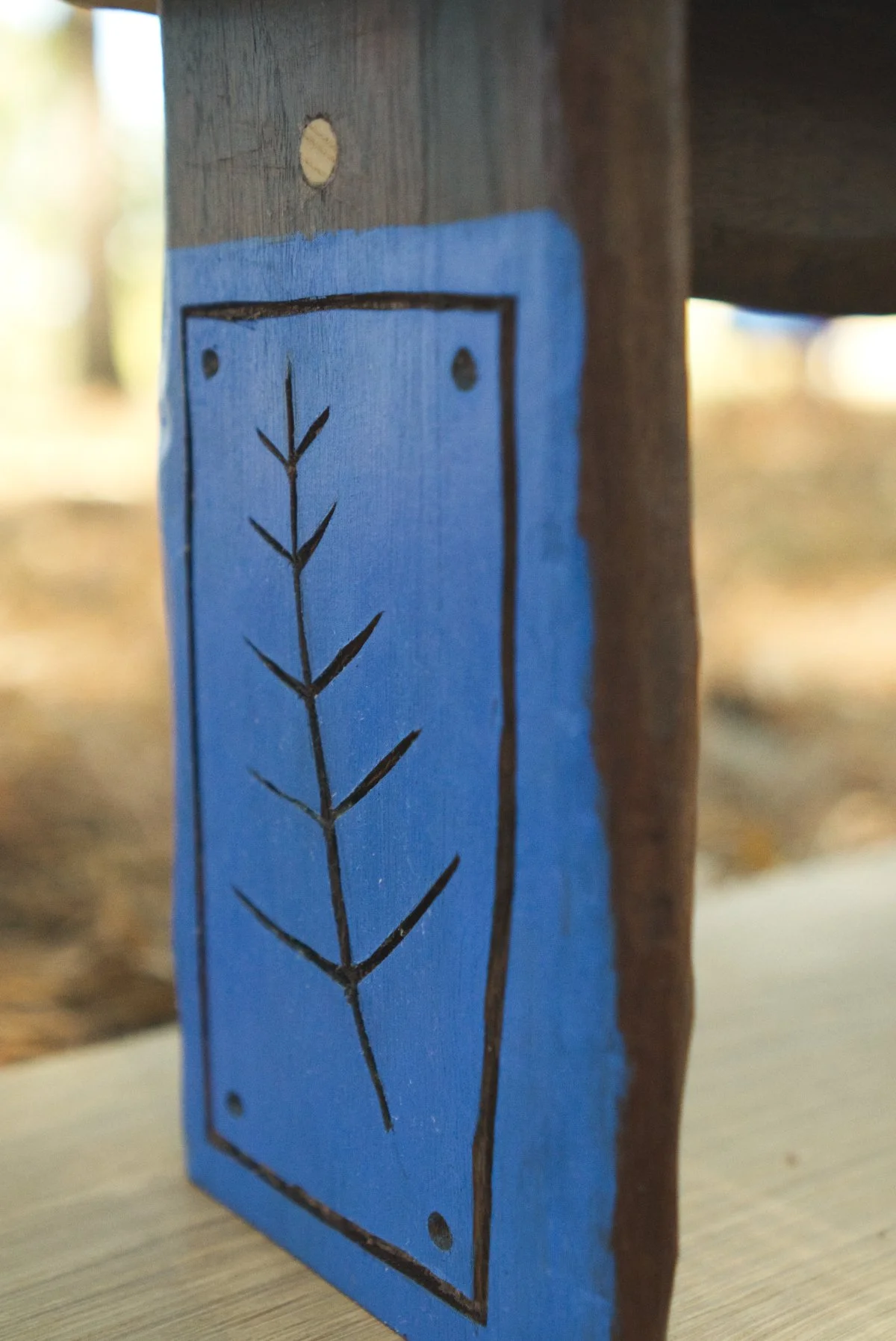
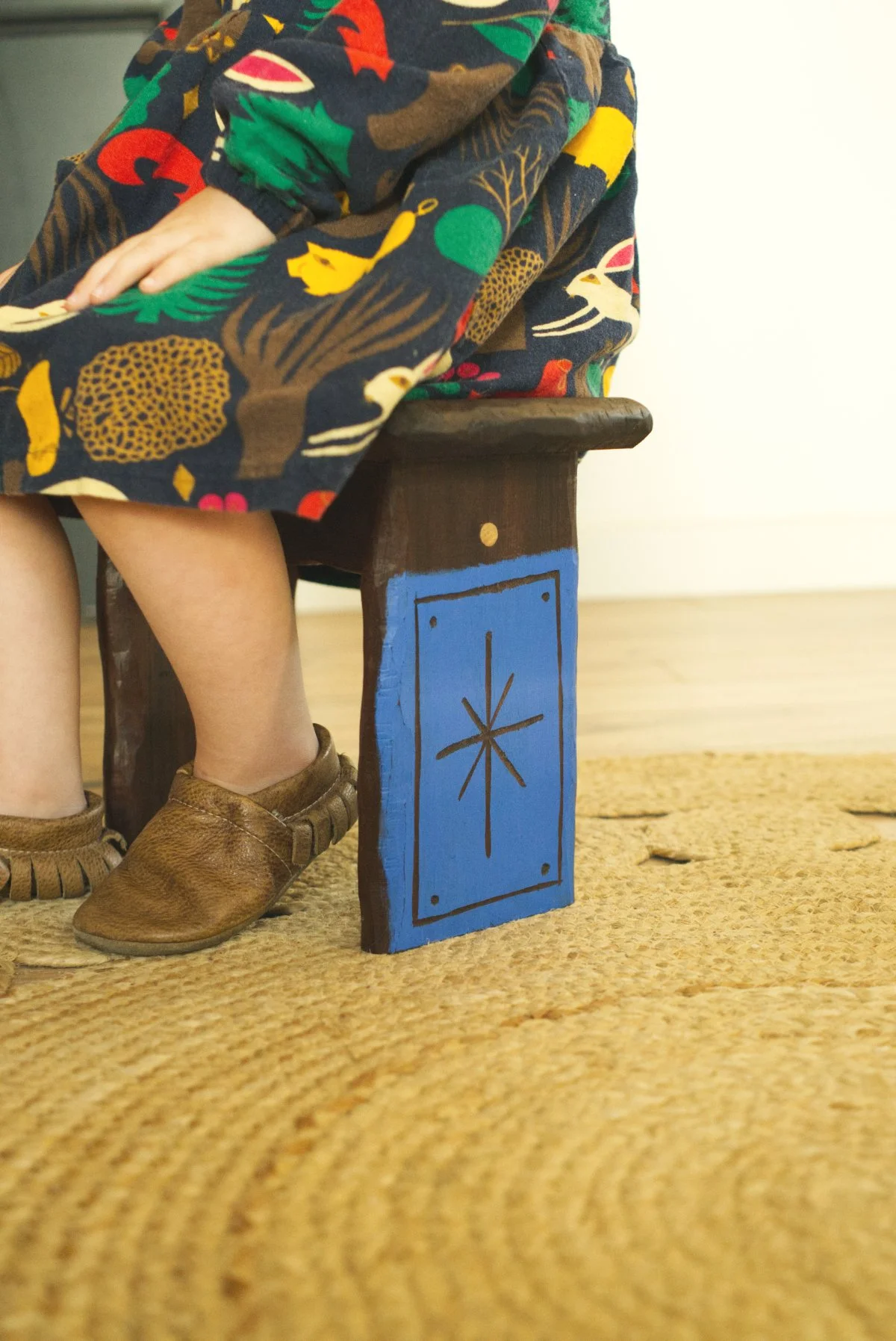
You can see more of Jögge’s work at his website: https://www.surolle.se/slojd
Sätergläntan Institute of Crafts
Sätergläntan is a school currently teaching traditional handicraft in Dalarna, Sweden.
Their website says their training is,
based on folk arts and crafts and the intangible cultural heritage associated with crafts – sometimes described as tacit knowledge. It provides insight into cultural heritage and craft traditions in a national and international perspective and places them in a wider context.
I recommend watching this beautiful, short PBS documentary of the craft school. It features handicraft and interviews with students and teachers working in blacksmithing, sewing, woodworking, and weaving. https://youtu.be/q8yvrp7iUys?si=aqt-RYz8U5D8qN6a
OLORS
I’ve recently seen some handicraft videos by OLORS on YouTube that are a display of many different modes of handicraft. Wood, paper, metal, and textile sloyd are displayed in different ways in her videos. You will also see Swedish imagery, patterns, and design in the creations.
A Christmas example of Wood and paper sloyd by OLORS:
https://youtu.be/33XSXLQT5Gg?si=EtBlmGu2O5N-uT8K
Spoon Carving and Bushcraft
A movement of spoon carving has been growing through Instagram and YouTube over the past decade. Though the revival of spoon carving seems to be bigger in Europe, the internet has also grown the craft in the U.S. through workers and writers like Emmet Van Driesche (author of Greenwood Spoon Carving).
I bring up spoon carving because the main carving tools are the axe, the sloyd knife, and the hook knife. A sloyd knife is the knife recommended to most beginner spoon carvers, and it’s how I first came across the word and concept of sloyd (and down the rabbit hole I went).
In our current age of digital noise and synthetic living, there has begun a growing interest in nature, homesteading, farming/gardening, handicraft, and outdoor survival. Many people will find videos about bushcraft and self-reliance using a knife in the wilderness, which crosses over in many ways to carving spoons or green woodworking.
I think many will find a connection to sloyd today through an interest in these topics!
Wellbeing
In our modern predicament, there are also many finding handicraft to be beneficial to their wellbeing by moving their focus away from screens and anxiety, and placing their focus instead on creating something with their hands. Working with a knife and wood, or needle and thread in your hands requires attention and can help your mind focus in a fruitful way.
Woodcraft for Wellbeing in the UK (linked in-person here and the online program here) is an example of programs today that are applying nature based activities to mental health and wellbeing.
Handicraft for the Next Generation!
With that overview of Traditional Slöjd, Educational Sloyd, and Modern Sloyd, I hope I’ve cracked open the door to sloyd and handicraft!
Children need to have hands-on, real life experience and sloyd is a creative way to learn.
At Arkansloyd, we see the benefit of sloyd, and we blend elements of the three categories of sloyd in order to get kids outside creating in nature while developing responsibility, self-reliance, and independence.
Click here to apply for a class today and bring your child’s education to life!
